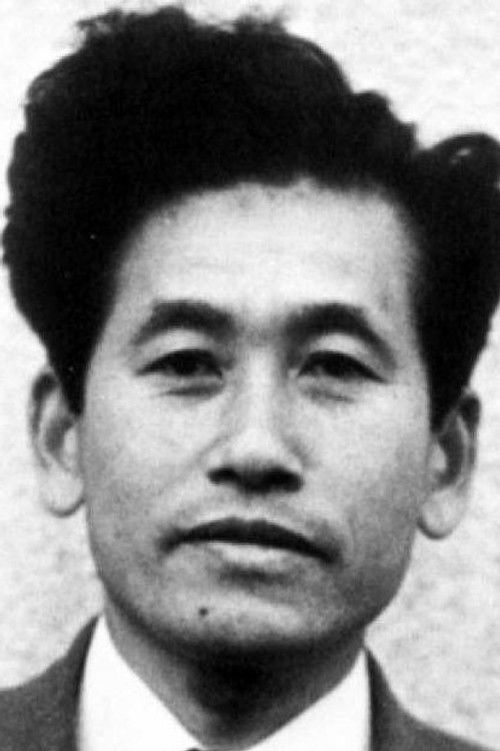
Born December 28, 1916
Kyoto Prefecture, Japan
31 credits
Directing
Hiromichi Horikawa
Hiromichi Horikawa was born on November 28, 1916 in Kyoto, Japan. He was a director and assistant director, known for Seven Samurai (1954), Ikiru (1952) and Throne of Blood (1957). He died on September 5, 2012 in Kyoto, Japan.
Horikawa Hiromichi was a Japanese director. He was assistant director to Kurosawa Akira for the production of Seven Samurai (1954) and Throne of Blood (1957).
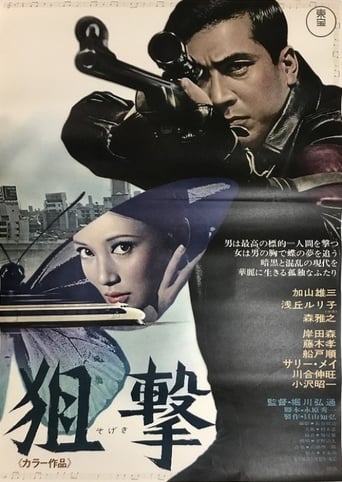
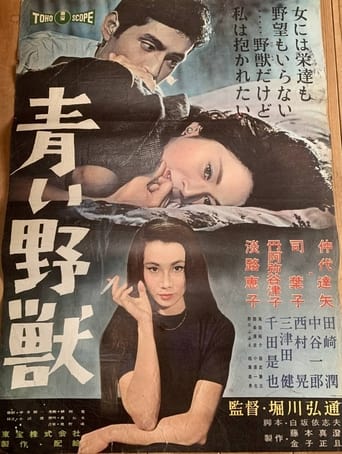
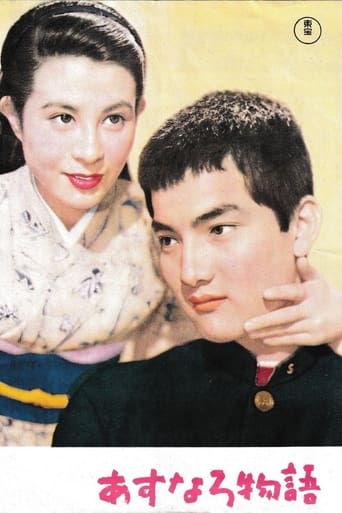
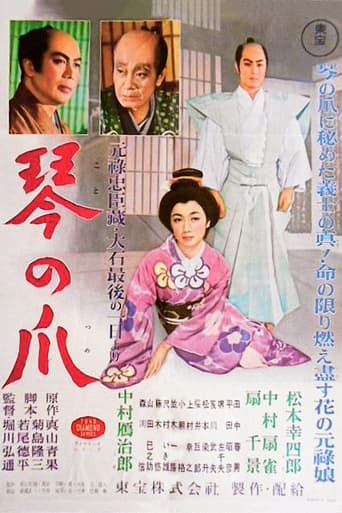
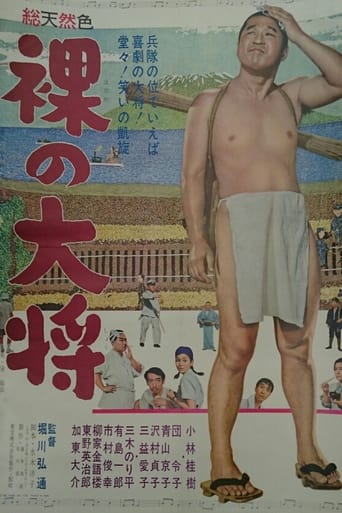
Akira Kurosawa’s assistant on numerous films including Ikiru (1952) and Seven Samurai (Shichinin no samurai, 1954), Horikawa has never achieved his mentor’s fame. Kurosawa himself scripted his directorial debut, A Story of Fast-Growing Weeds (Asunaro monogatari, 1955), about an adolescent and the first three women in his life. A concern with youthful experience was also visible in Horikawa’s second and third films, Summer Eclipse (Nisshoku no natsu, 1956), a taiyōzoku (“sun tribe”) film based on a Shintarō Ishihara novel, and The Last Day of Oishi (“Genroku Chūshingura: Ōishi saigo no ichinichi” yori: Koto no tsume, 1957), a reworking of the Chūshingura story that focused particularly on the youngest of the participating ronin and his fiancée. Another retelling of a classical Japanese story was the Chikamatsu adaptation Oil Hell Murder (Onnagoroshi abura jigoku, 1957), but Horikawa returned to contemporary subject matter with The Naked General (Hadaka no taishō, 1958), a portrait of mentally handicapped collage artist Kiyoshi Yamashita. In this darkly humorous account of a stubborn non-conformist, Horikawa touched for the first time on the subject of World War II, ironically showing how the artist’s apparent madness enabled him to escape the draft. The melodrama Eternity of Love (Wakarete ikiru toki mo, 1961), tracing a woman’s unhappy marriages and affairs, also unfolded against a wartime backdrop.